The short answer
Isolating? Use a gate valve. Regulating? Use a globe valve.
How a gate valve works
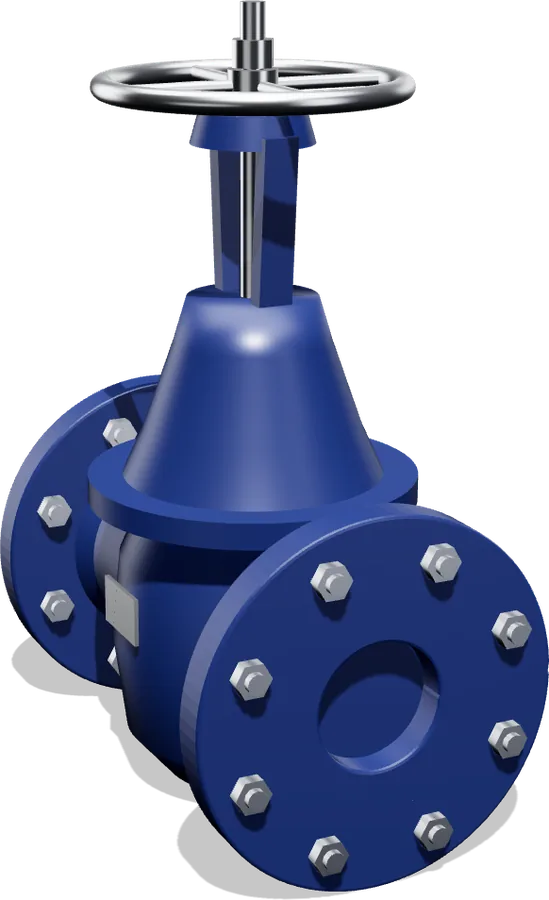
A gate valve lifts a wedge or gate straight out of the flow path. Fully open, the bore is almost unobstructed, so pressure drop is very low. That makes it ideal for isolation: lines that are either fully open or fully closed.
A gate valve should not be used to throttle. When it is part-open, the flow hits the bottom edge of the gate at high velocity. The gate vibrates and the seats erode, and the valve stops sealing.
How a globe valve works
A globe valve moves a disc onto a seat, and the flow changes direction through the body. That costs more pressure drop, but the disc position gives fine, stable control of flow. Globe valves also tend to seal tightly and are easier to repair in place.
Side by side
| Feature | Gate valve | Globe valve |
|---|---|---|
| Main purpose | On/off isolation | Throttling and regulation |
| Pressure drop when open | Very low | Higher |
| Throttling | Not suitable | Designed for it |
| Operation | More turns, slower | Fewer turns |
| Flow direction | Usually either way | Follow the arrow |
| Typical standards | API 600, API 602, BS 5163 | BS 1873, API 602 |
Typical applications
- Gate valves: pump suction and discharge isolation, header isolation, pipeline block valves, tank outlets.
- Globe valves: steam flow control, bypass lines around control valves, drains and vents that need fine control, feedwater regulation.
What about ball valves?
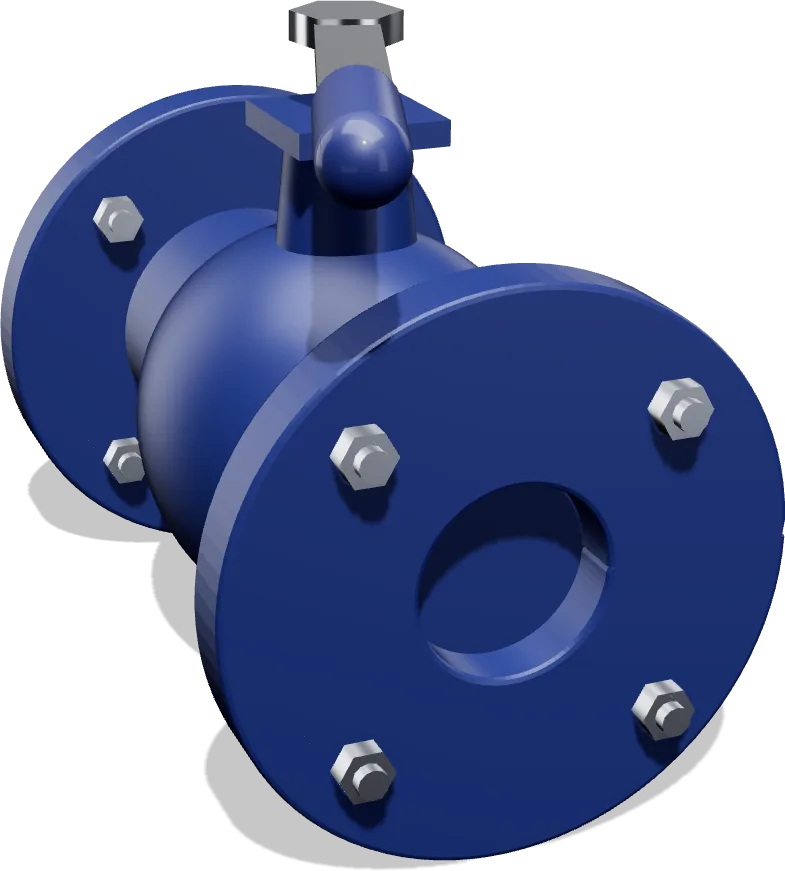
Ball valves are quarter-turn isolation valves: fast to operate and tight-sealing. In many smaller sizes they replace gate valves. Like gate valves, standard ball valves should not be used for throttling.